Nourish
Read
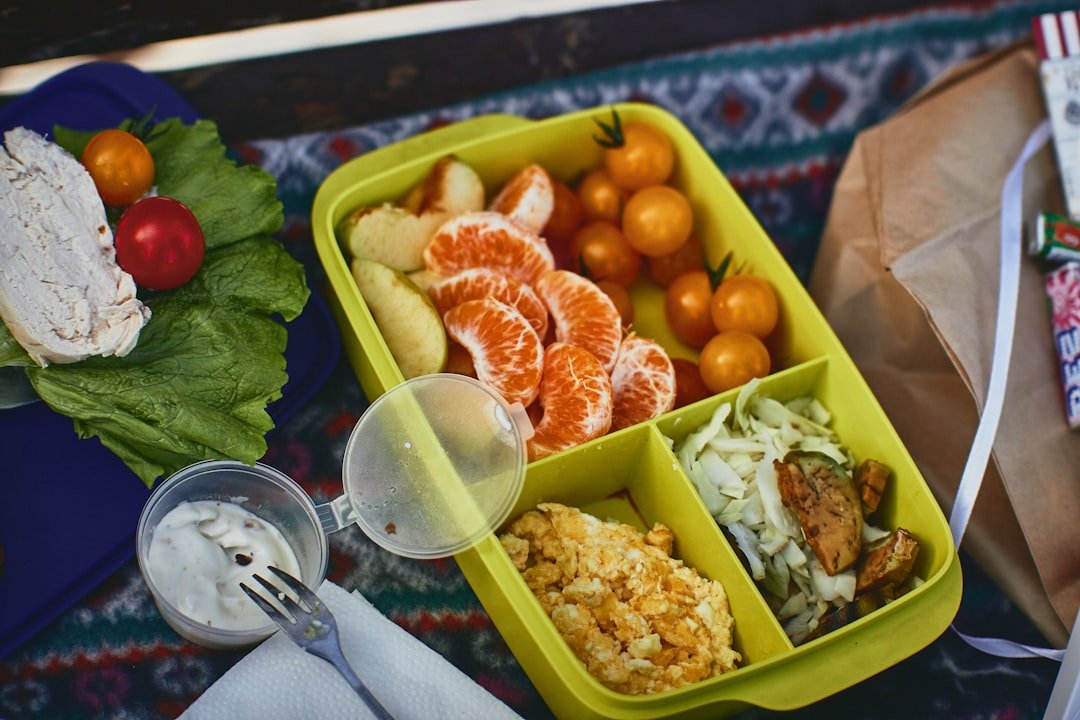
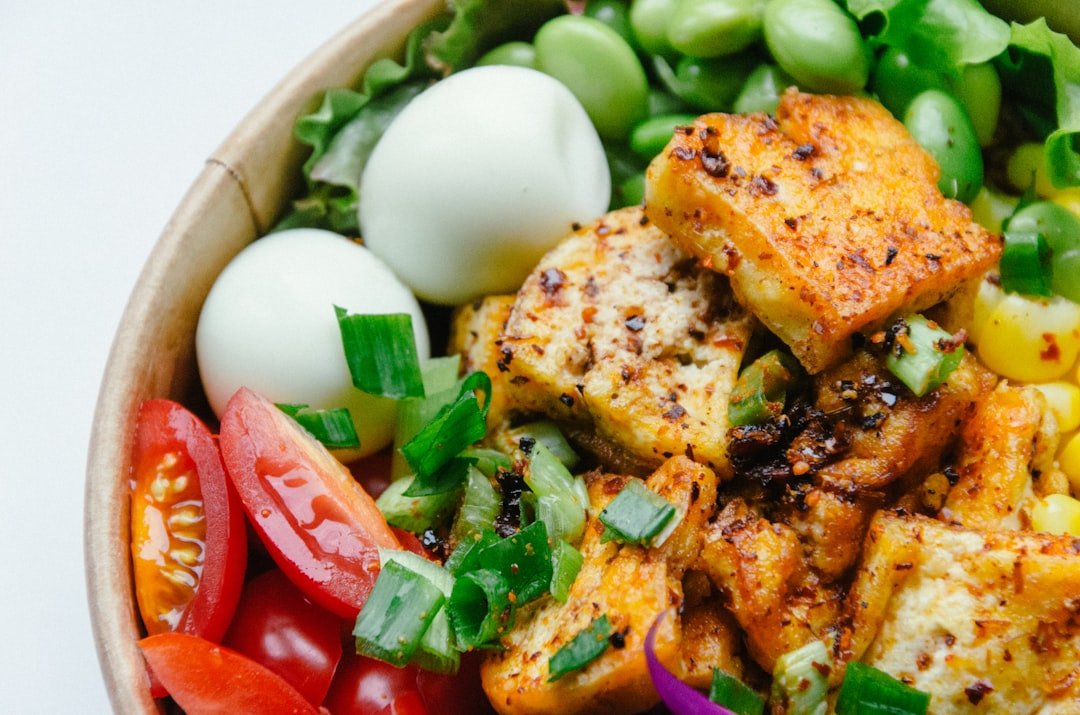
A Healthy Lunch Box Framework for Adults
A flexible lunch formula for workdays, errands, and home routines that uses leftovers, protein, produce, grains, and snacks without overplanning.
Nourish notes
Practical food notes for breakfasts, lunches, dinners, snacks, hydration, and kitchen rhythms that make healthier choices easier without turning meals into a project.
Start with the next meal
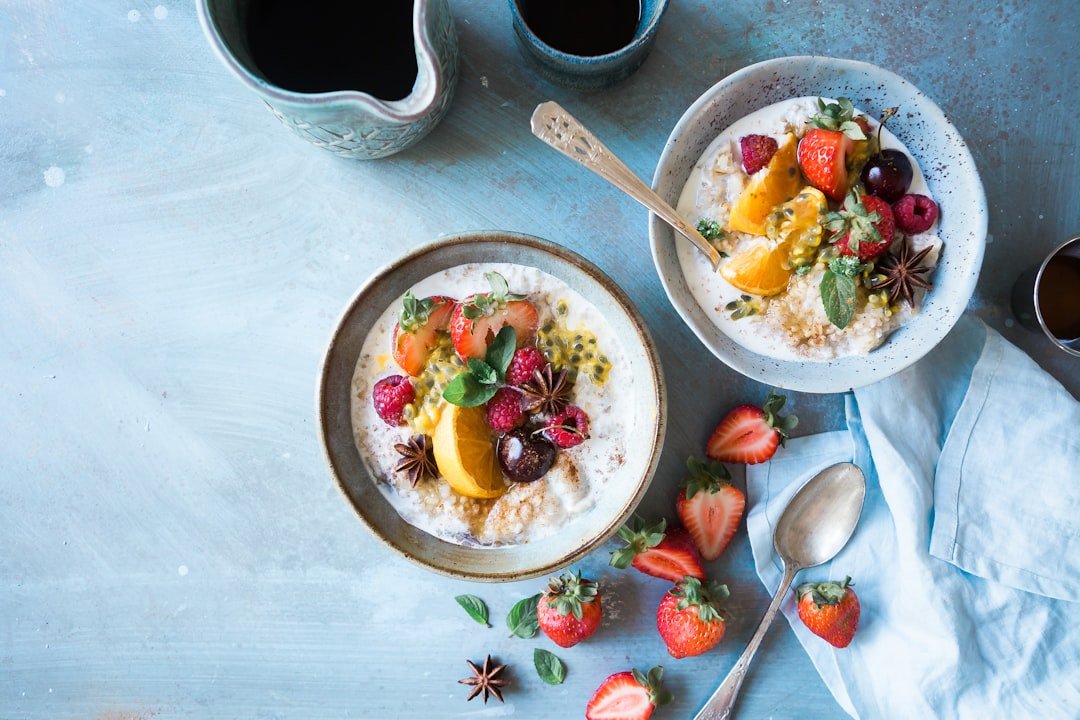
A practical way to build breakfasts with protein, fiber-rich foods, produce, and realistic prep so mornings feel steadier.
Read the opening noteThe reading shelf
A flexible lunch formula for workdays, errands, and home routines that uses leftovers, protein, produce, grains, and snacks without overplanning.
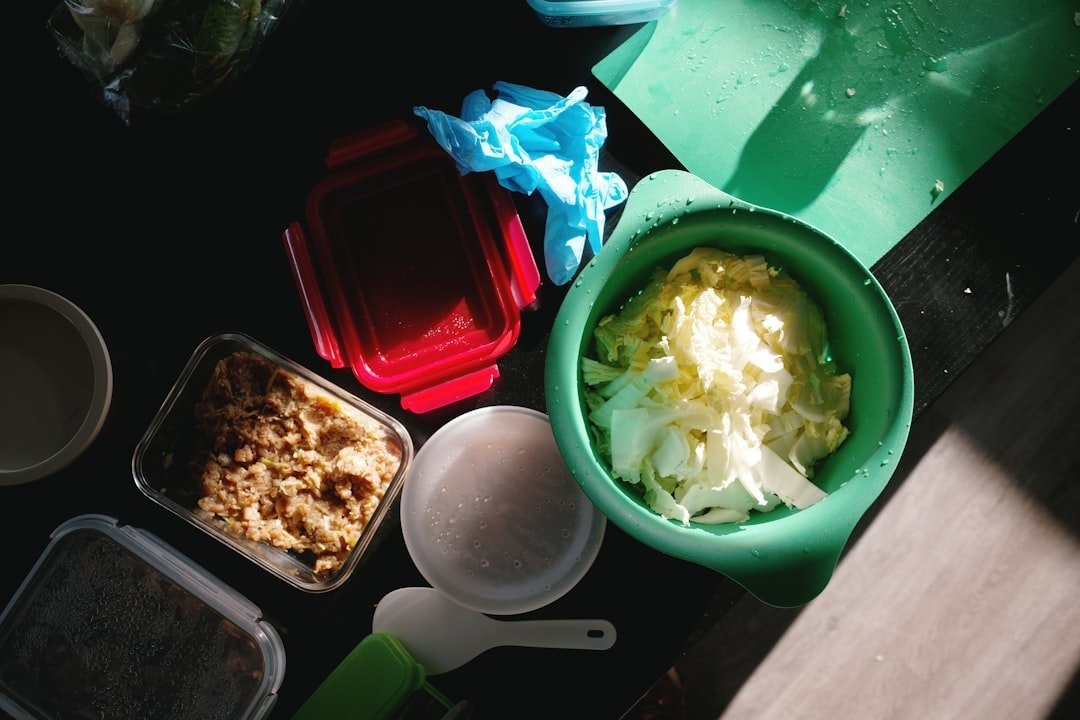
A practical produce routine for washing, storing, chopping, and using fruits and vegetables before good intentions disappear.
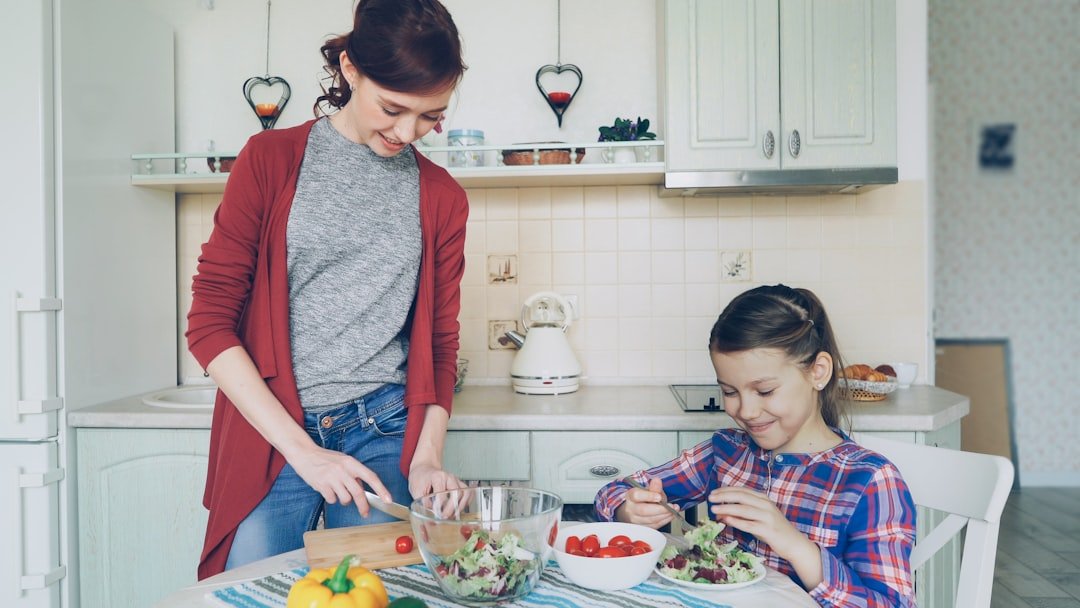
A practical way to add color, protein, fiber, and satisfaction to comfort meals without turning them into diet food.
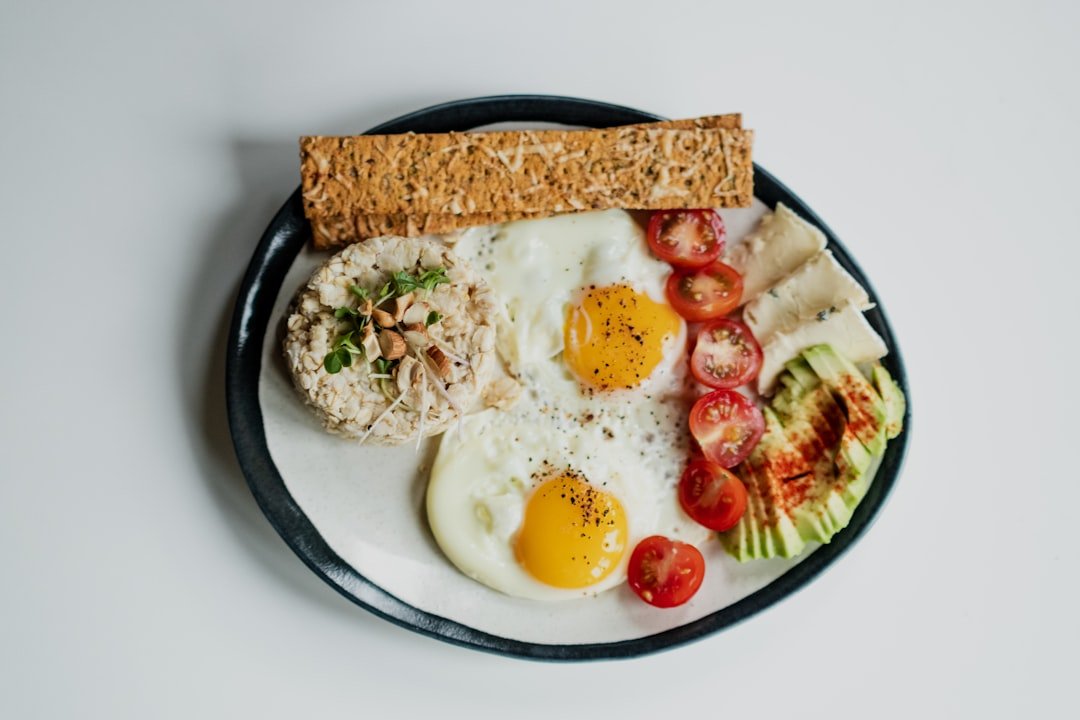
General breakfast ideas built around protein, fiber, and staying power, with clear limits that this is not individualized blood-sugar advice.

A non-diet approach to evening snacks, hunger, satisfaction, sleep comfort, and kitchen defaults.
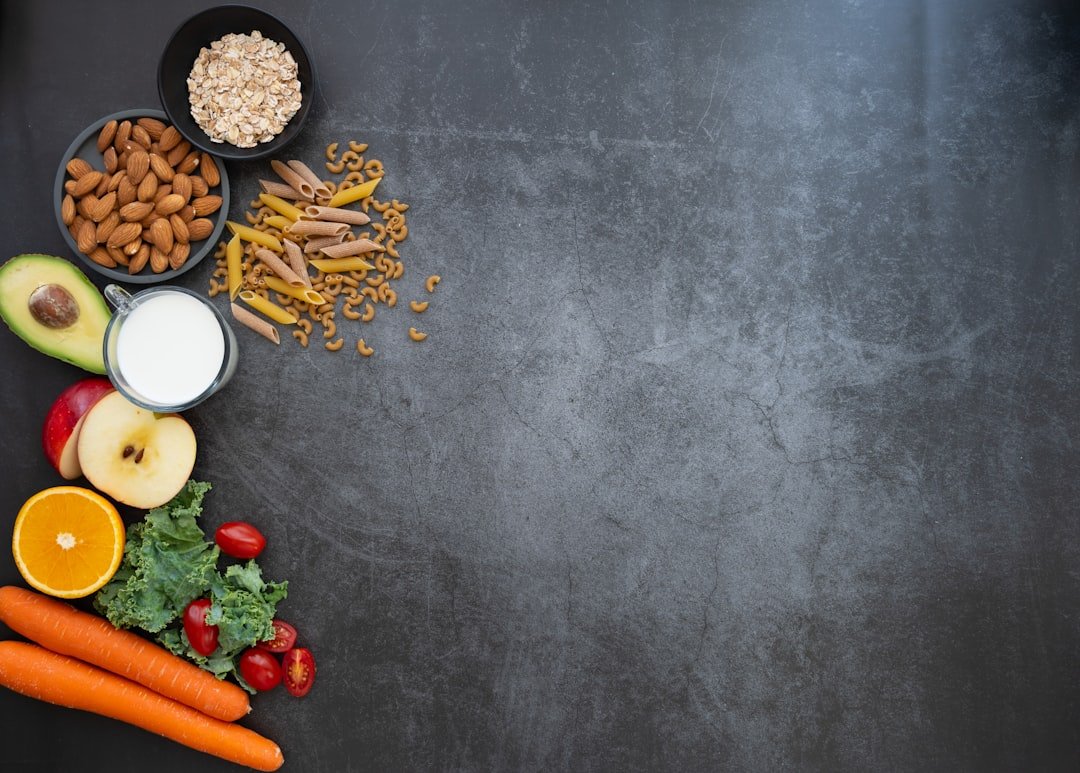
A simple snack framework for fruit, vegetables, beans, whole grains, nuts, yogurt, or other familiar foods that make the afternoon feel steadier.
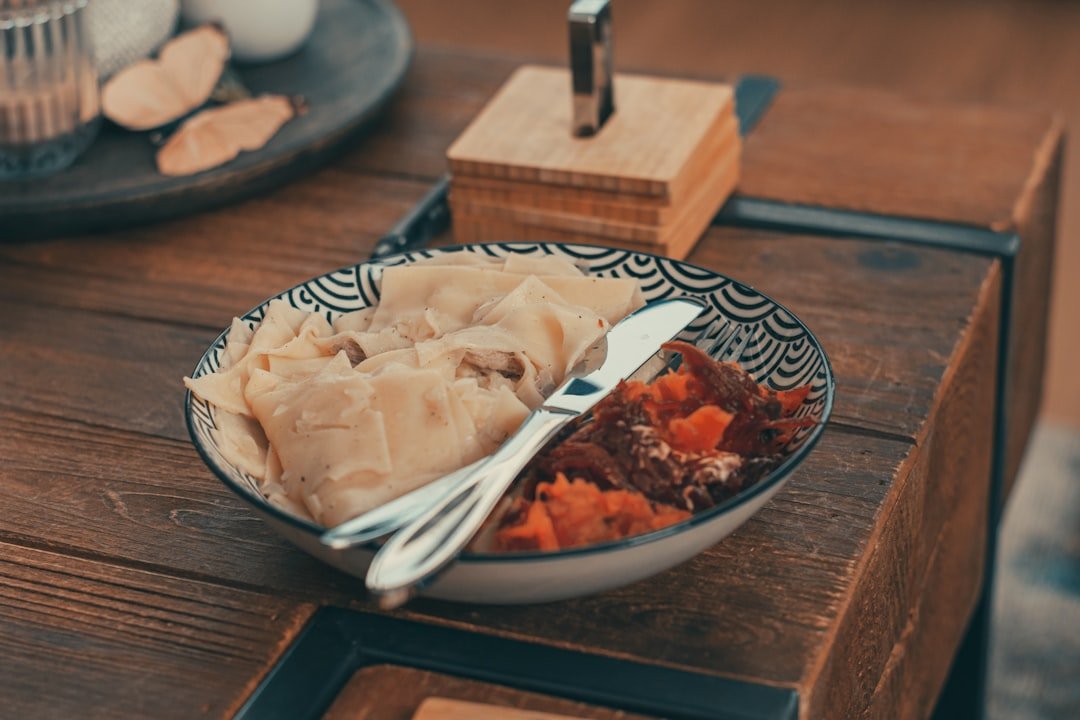
A calm way to remember protein at meals without turning breakfast, lunch, or dinner into a strict macro project.
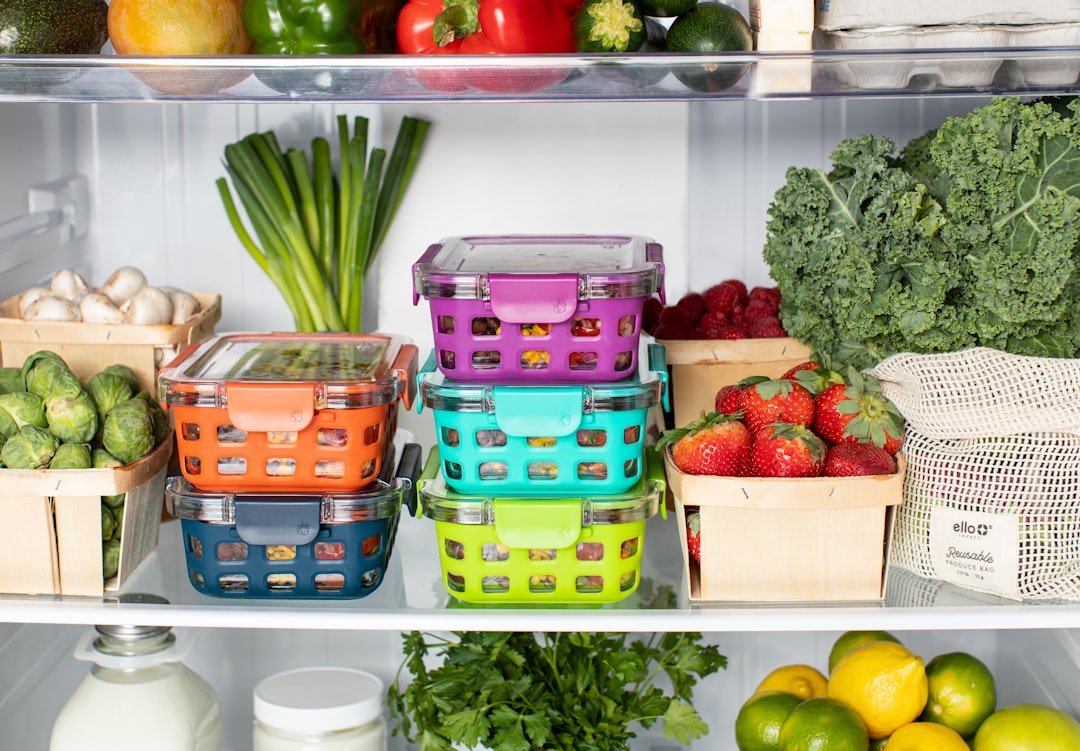
A practical way to keep one flexible soup, stew, or bean-based meal available for nights when cooking energy disappears.
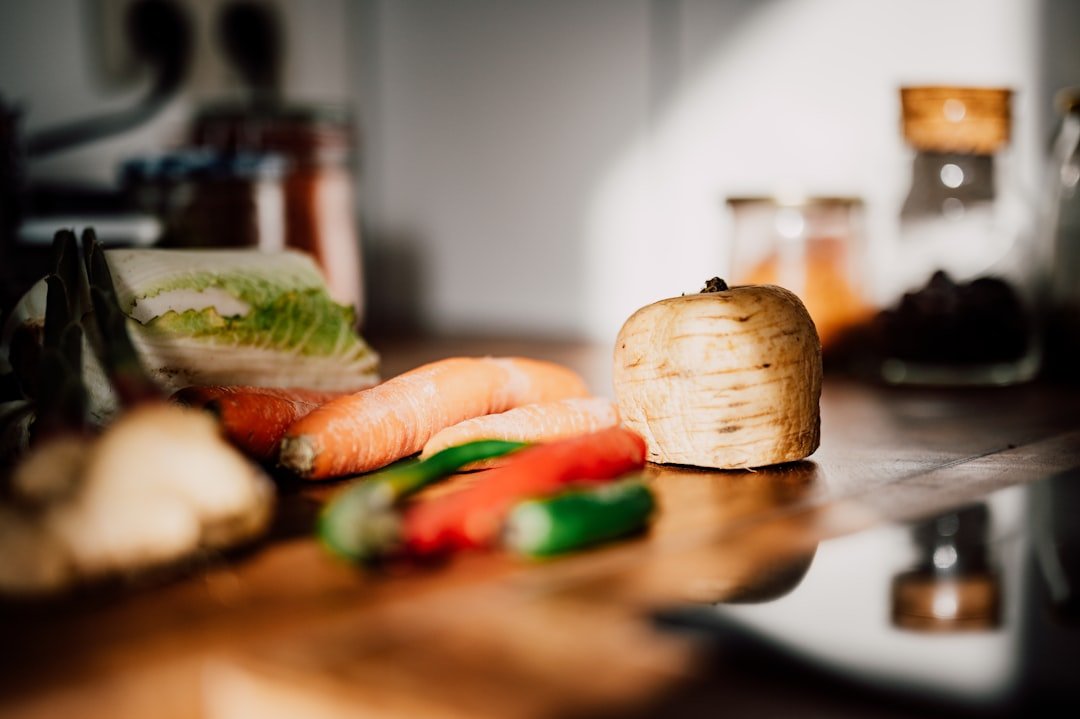
A flexible dinner formula for protein, produce, starch, sauce, and one shortcut when the evening is already stretched thin.
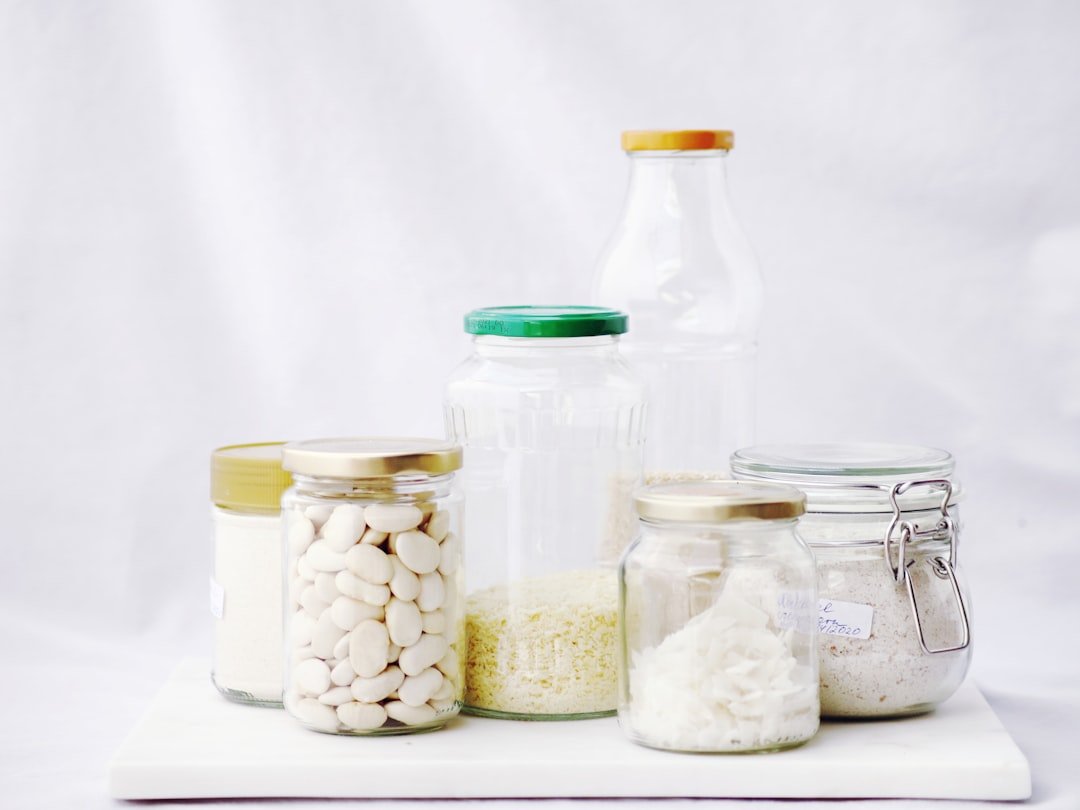
Build a small pantry mix of beans, grains, seeds, fruit, and familiar add-ons that can support fiber without changing every meal at once.
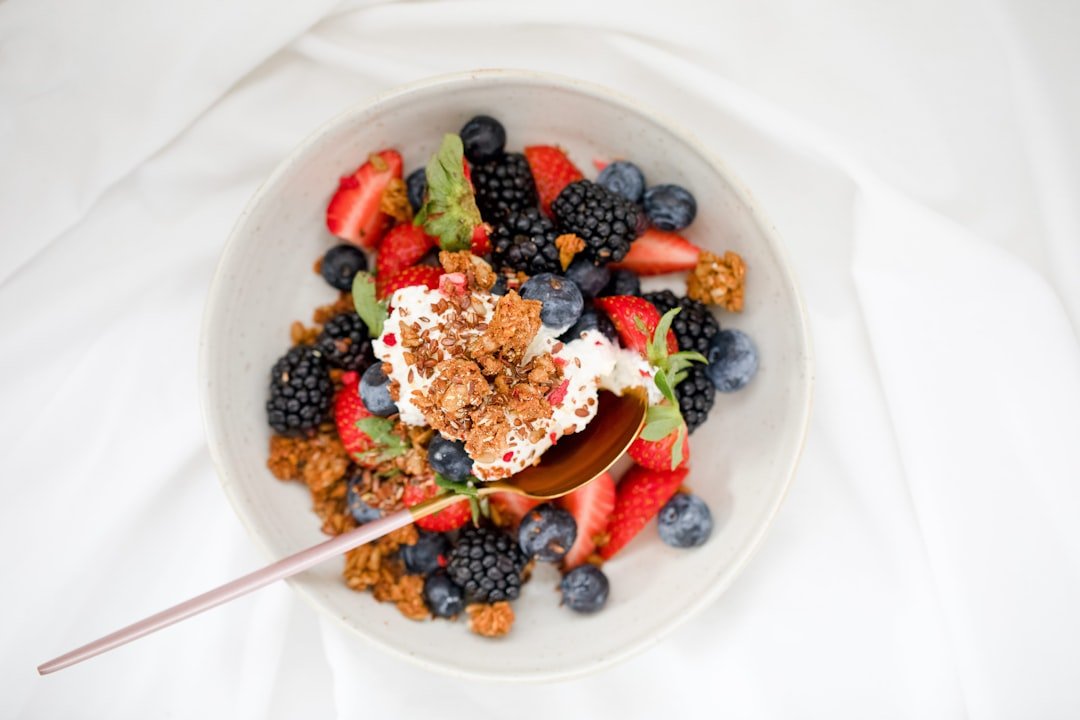
Pair two or three familiar components so an afternoon snack feels satisfying without becoming a miniature meal-prep project.
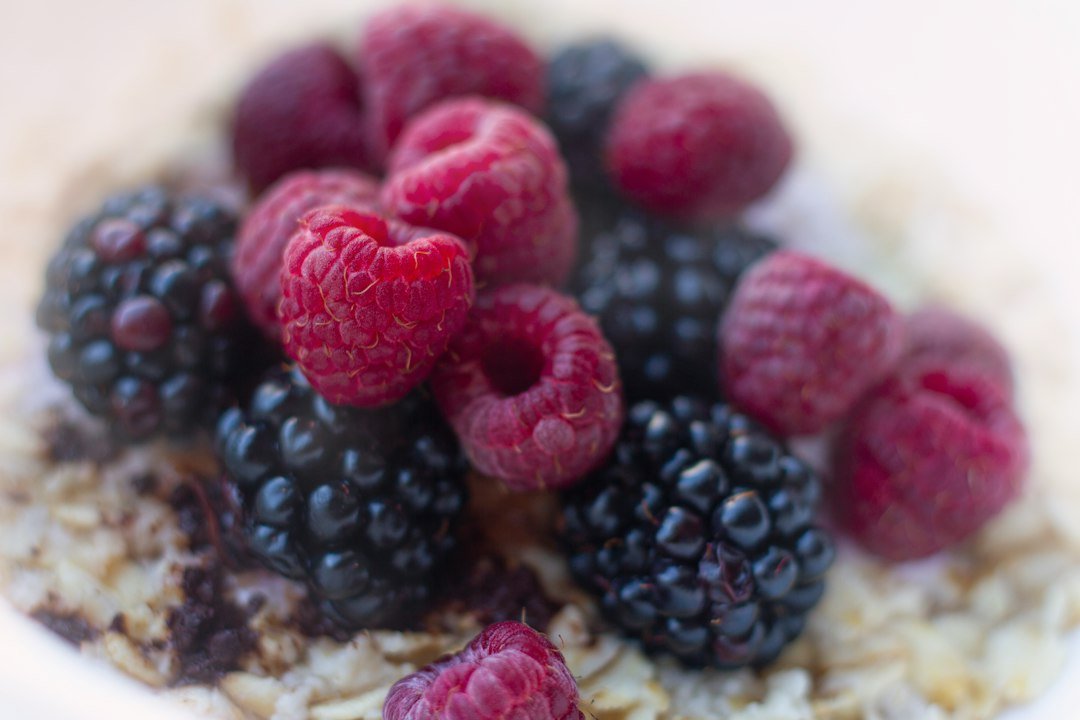
Freeze useful breakfast parts in realistic portions so rushed mornings still have a flexible starting point.
Notice where protein already appears, then fill the clearest gap with familiar foods instead of chasing a perfect number.