This article is general wellness education, not medical advice. If you have symptoms, a medical condition, medication questions, pregnancy-related questions, eating-disorder concerns, or pain that changes your daily life, talk with a qualified health professional.
Set Up a Home Workout Corner You Will Actually Use is a practical guide for the daily wellness routine. Use it when the problem is real enough to notice but still small enough to improve with a clearer routine, better setup, or more careful buying decision.
Set Up a Home Workout Corner You Will Actually Use is written for ordinary days, not perfect ones. The goal is to make one healthy choice easier to repeat without turning your home, calendar, or kitchen into a full-time project.
Use this as a practical starting point. It is general wellness education, so adjust for your body, culture, budget, schedule, medical needs, and the advice of qualified professionals when needed.
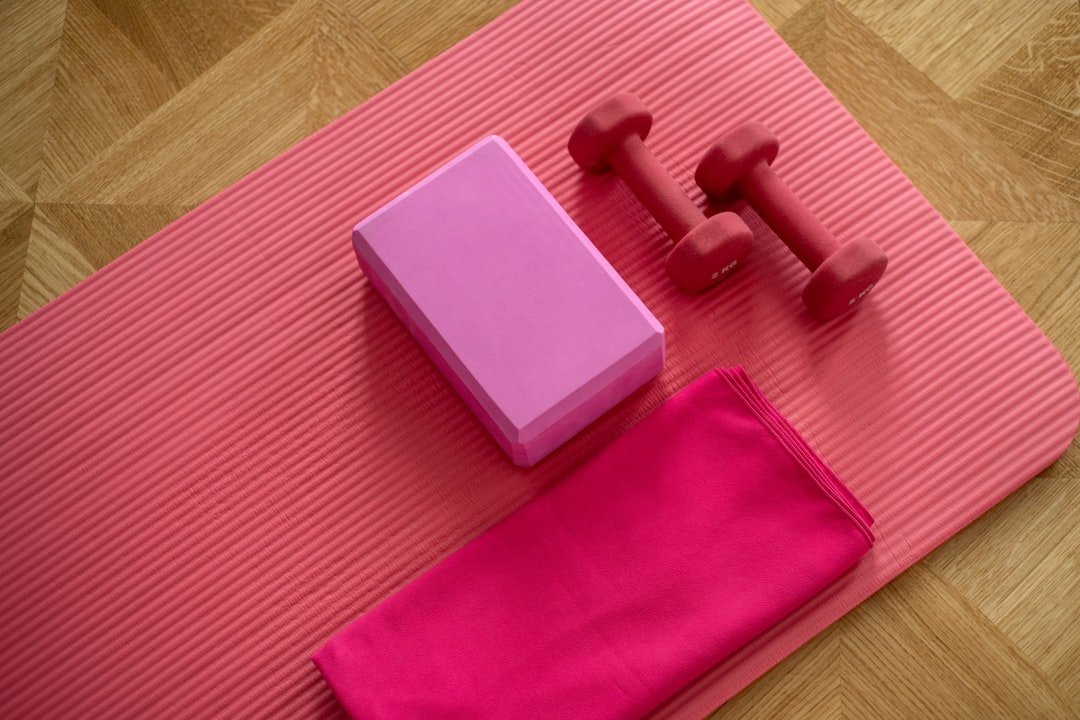
The useful starting point is the kitchen, bedroom, walk route, desk, morning rhythm, or evening reset. A small-space setup for mats, bands, shoes, water, music, and realistic workout prompts. The goal is to name the friction before choosing another supplement, product, app, ingredient, gear, or routine upgrade.
Quick answer
The quick answer: treat set up a home workout corner you will actually use as a problem-first note. Name what is happening, where it happens, and what would make it easier before changing the whole routine or buying another supplement, product, app, ingredient, gear, or routine upgrade.
For Light Movement and Everyday Strength, the best answer is usually a small sequence: observe the current setup, remove one source of friction, test the smallest repeatable change, then decide whether a purchase or outside help is still needed.
- Make the setup visible but not messy.
- Choose equipment for the habit you will do.
- A corner can support walks, stretching, and strength.
Step 1: Name the friction before changing anything
Write the friction in one sentence. Avoid broad labels like 'the room is bad', 'the routine is broken', or 'I need better gear'. A useful sentence names the place, the moment, and the repeated problem.
This step matters because treating a product as the fix before sleep, food, hydration, movement, light, stress, and schedule basics are named. Once the friction is named, the next change can stay small enough to test instead of becoming a full redesign.
- Where does this happen: kitchen, bedroom, walk route, desk, morning rhythm, or evening reset?
- When does it show up: daily, weekly, before use, after use, or only under pressure?
- Who else uses or depends on this setup?
- What would count as a better version tomorrow, not someday?

Step 2: Try the smallest useful reset
The smallest useful reset is the one that makes the problem easier to see. It may be moving one item, measuring one space, writing one note, cleaning one surface, testing one schedule, or removing one product from the active area.
Keep the reset narrow. If it needs a perfect weekend, a new system, or a big shopping list, it is probably too large for the first pass. The first pass should teach you what the daily wellness routine actually needs.
- Change one visible cue or one decision point.
- Leave the rest of the setup mostly unchanged for the first test.
- Notice whether the problem gets smaller, clearer, or simply moves elsewhere.
- Repeat only the parts that still make sense after a normal day.
Step 3: Decide whether buying belongs here
A supplement, product, app, ingredient, gear, or routine upgrade earns attention only when it answers the named problem. It should fit the space, timing, budget, maintenance, storage, cleaning, safety, and return path that the real situation requires.
If the small reset already made the situation easier, buying may become smaller or unnecessary. If the reset exposed a specific gap, the product decision becomes clearer because it has a job to do.
- The product or service solves the named friction, not a vague wish.
- Size, fit, setup, cleaning, storage, and maintenance are realistic.
- Return terms, warranties, instructions, policies, or care labels are clear.
- The purchase will still make sense after the initial excitement fades.
Why this habit matters in real life
Light Movement and Everyday Strength habits usually fail when they depend on extra motivation, a quiet house, or a week that goes exactly as planned. A useful routine has to survive errands, work, family needs, fatigue, and the nights when nobody wants to make another decision.
The point is not to optimize every detail. The point is to create a visible cue, a small default, and a fallback that helps the next good choice happen with less negotiation.
When a habit is small enough to repeat, it becomes easier to notice what actually helps: steadier energy, fewer rushed decisions, a calmer kitchen, a more predictable evening, or a little more movement built into the day.
A simple way to begin
- Choose the smallest version of the habit that would still feel useful on a busy day.
- Attach it to something already happening, such as breakfast, an afternoon break, dinner cleanup, or brushing teeth.
- Put the cue where you will see it: bottle on the counter, shoes by the door, notebook on the table, or snack components at eye level.
- Decide the fallback before the hard day arrives, so missing the ideal version does not cancel the whole routine.
- Review once a week: keep what helped, shrink what felt heavy, and remove anything that became clutter.
The low-energy version still counts
On the days when set up a home workout corner you will actually use feels like too much, shrink the routine before you skip it. A two-minute version keeps the identity of the habit alive and makes it easier to return tomorrow without guilt.
This is especially useful for health habits because stress, poor sleep, travel, deadlines, caregiving, and seasonal changes all affect capacity. A plan that only works on high-energy days is not really a plan for real life.
For this light movement and everyday strength routine, the low-energy version should remove setup first, not care. Use what is already available, reduce choices, and let the smallest repeatable action protect the rhythm until the fuller version fits again.
- Name the smallest useful version before the week starts.
- Keep the cue in a place you naturally pass every day.
- Let the routine take less time instead of demanding more willpower.
- Return to the fuller version only when it feels supportive, not punitive.
Make it fit the home you actually live in
A healthy routine should make the next step easier to see. That might mean using familiar foods, a shorter walk, a quieter bedroom, a smaller grocery list, or a realistic evening snack instead of a rule you resent.
If you live with other people, design the habit so it does not require everyone to change at once. Shared spaces work best when they offer an easy option without turning the house into a lecture.
If the routine starts to feel like pressure, reduce the number of steps. A habit that can be done three ordinary times is more valuable than an elaborate version that only works on a rare perfect day.
- Keep the cue visible.
- Keep the steps short.
- Keep the fallback kind.
- Keep medical questions with qualified professionals.
How this connects with the rest of the week
Most healthy routines work better when they have neighbors. Set Up a Home Workout Corner You Will Actually Use may start as one small habit, but it becomes more useful when it is connected to meals, movement, sleep, stress recovery, home setup, or a weekly reset.
A reader who starts here may also want to compare it with The 10-Minute Walk After Meals Habit, A Desk Stretch Rhythm for People Who Sit Too Long, and How to Choose a Gentle Evening Snack. Those nearby routines create a practical path: one habit makes the next one easier instead of adding another rule to remember.
The best sign is not that the week looks perfect. The better sign is that fewer decisions happen under pressure. When the environment, timing, and fallback are clear, healthy choices become less dramatic and more available.
What to watch for
General wellness routines are not a substitute for care. If a habit brings up pain, dizziness, disordered eating concerns, persistent sleep problems, mood changes that interfere with daily life, symptoms that worry you, or questions about medication or a medical condition, pause and get professional guidance.
The right routine should respect your actual needs. Health is not proven by doing the most; it is supported by choosing the next reasonable step and repeating it with enough flexibility to live your life.
Three practical scenarios
Use these scenarios to decide whether set up a home workout corner you will actually use is a small reset, a buying decision, or a sign that a different guide should come first.
Use it now
The friction is clear, the change is small, and the current setup can be improved without a major purchase.
- The need is visible.
- The first reset is easy.
- The risk is low.
Check before buying
The problem is real, but the product or service has not earned the space yet. Compare fit, care, use frequency, policies, and cleanup first.
- Measure or test first.
- Check return terms.
- Avoid buying around uncertainty.
Read sideways
The first problem may actually point to The 10-Minute Walk After Meals Habit and A Desk Stretch Rhythm for People Who Sit Too Long. Follow that route if it better matches the repeated friction.
- The problem moved.
- Another category fits better.
- The current fix feels forced.
Buying check before you commit
Before buying, remove the sales language from the decision. Would this still be the right supplement, product, app, ingredient, gear, or routine upgrade if there were no sale badge, social proof, or urgency around it? If not, keep working the setup first.
The best purchase should make it easier to make the habit easier to repeat. It should reduce friction in daily use, not add a second routine that is harder to maintain than the original problem.
- The problem is named in one sentence.
- The item or service has a clear job.
- The setup, cleaning, storage, and maintenance are realistic.
- The cost still makes sense after accessories, refills, shipping, or return limits.
- There is a clear reason this option beats waiting, borrowing, testing, or simplifying.
Common mistakes
The most common mistake is skipping the room, routine, or workflow and jumping straight to the product. That makes every option look like progress even when the actual friction is still unnamed.
Another mistake is changing too many pieces at once. If the result improves, you will not know what helped. If it fails, you may throw away a useful idea because it was bundled with three unnecessary changes.
- Buying before measuring the real use case.
- Treating a one-time frustration as proof that the whole setup is wrong.
- Ignoring cleaning, storage, refill, return, safety, or policy details.
- Copying a routine that does not match the household, budget, space, or schedule.
- Letting a sale, trend, or review replace the practical checklist.
FAQ
Q: What should I do first? A: Name the exact friction, then test one small change. For this topic, start with the kitchen, bedroom, walk route, desk, morning rhythm, or evening reset instead of a product page.
Q: When should I buy something? A: Buy only when the item or service has a specific job, fits the real setup, and still makes sense after maintenance, return terms, and everyday use are considered.
Q: What if the first reset does not work? A: That still teaches you something. Check whether the problem belongs to another part of the routine, then use a related guide such as The 10-Minute Walk After Meals Habit and A Desk Stretch Rhythm for People Who Sit Too Long if it fits better.
Q: Is this professional advice? A: No. This is general lifestyle education, not medical advice. Talk with a qualified professional about symptoms, diagnoses, medication, supplements, pregnancy, eating concerns, pain, or persistent health changes.