
This article is general wellness education, not medical advice. If you have symptoms, a medical condition, medication questions, pregnancy-related questions, eating-disorder concerns, or pain that changes your daily life, talk with a qualified health professional.
A Gentle Sleep Reset After Travel is designed for an ordinary week, not a perfect one. Use light, meals, movement, and a familiar wind-down to return to a local rhythm without forcing sleep on command.
The friction is familiar: travel shifts timing and routines, then the first nights home become a struggle to fix everything immediately. This guide turns that broad frustration into a small setup, a repeatable routine, and a fallback for low-capacity days.
This is general wellness education rather than medical care. Adjust the ideas for your body, household, culture, budget, schedule, and any advice you receive from qualified professionals.
Quick answer
Begin with one practical move: anchor the morning with local light and a consistent wake time that fits your responsibilities. Do not redesign the whole week before that first change has been tested in the place and time where the problem actually happens.
For Sleep and Evening Wind-Down, the useful sequence is notice, simplify, test, and repeat. The goal is less friction, not a longer list of health rules.
- Friction to solve: travel shifts timing and routines, then the first nights home become a struggle to fix everything immediately.
- Repeatable routine: return meals, movement, caffeine timing, and evening dimming to familiar local cues.
- Low-energy version: protect the wake time and one quiet pre-bed cue even if the rest of the day stays messy.
Step 1: Observe one real day
Watch the routine once before changing it. Note where it begins, what interrupts it, what is already available, and which decision tends to happen when energy is lowest.
Keep the observation specific to this problem: travel shifts timing and routines, then the first nights home become a struggle to fix everything immediately. A useful note names the room, the time, the people involved, and the next action that repeatedly stalls.
- Write down the cue that starts the routine.
- Notice what has to be found, prepared, cleaned, charged, or remembered.
- Separate a true need from a product or app that merely looks helpful.
- Define what a slightly easier version would look like tomorrow.
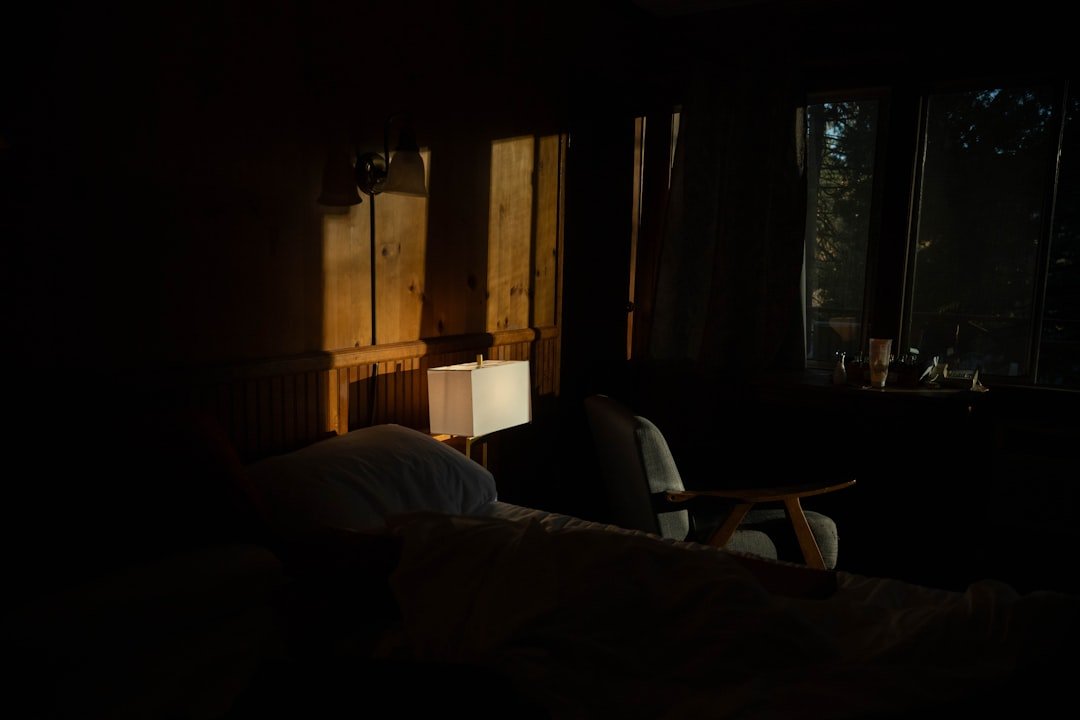
Step 2: Set up the smallest useful version
The first setup is intentionally modest: anchor the morning with local light and a consistent wake time that fits your responsibilities. Use what you already own where possible and give the change a clear boundary so it does not spread across the room or calendar.
A small setup makes the result easier to read. If it helps, you know what to repeat. If it does not, you can adjust one variable without discarding a large purchase or an elaborate plan.
- Choose one visible cue and one place for it.
- Remove one source of delay or extra choice.
- Prepare only enough for the next one or two uses.
- Keep walking routes, storage limits, and shared needs in view.
Step 3: Build a repeatable rhythm
Once the setup works, use this as the standard version: return meals, movement, caffeine timing, and evening dimming to familiar local cues. Attach it to a cue that already happens instead of relying on a new reminder for every step.
Repeatability matters more than intensity. A routine that fits three ordinary days gives better information than an ambitious version completed once under ideal conditions.
After a week, keep the part that reduced decisions. Shrink, move, or remove anything that became clutter, tracking pressure, or another task to maintain.
The low-energy version still counts
On a difficult day, use this fallback: protect the wake time and one quiet pre-bed cue even if the rest of the day stays messy. The fallback should preserve the useful cue while dropping preparation, variety, and unnecessary decisions.
A smaller version is not failure. It protects continuity through travel, deadlines, caregiving, poor sleep, illness, and the normal changes in household capacity.
- Reduce the number of steps before abandoning the routine.
- Use a familiar option instead of searching for the ideal one.
- Return to the fuller version only when it feels supportive.
Make it fit the home you actually live in
Shared homes need routines that are easy to understand without requiring everyone to share the same goal. Keep personal choices personal, label shared items clearly, and avoid taking over common surfaces.
Space and budget limits can improve the plan by forcing it to stay small. One shelf, one basket, one calendar block, or one familiar meal formula is often enough to reveal whether the idea helps.
If another person depends on the routine, agree on the handoff: who prepares, who resets, what happens when the preferred option runs out, and which parts are optional.
Three versions for three kinds of day
A normal day
Use the standard rhythm: return meals, movement, caffeine timing, and evening dimming to familiar local cues.
- Keep the cue visible
- Do the planned amount
- Reset the space afterward
A crowded day
Use the fallback: protect the wake time and one quiet pre-bed cue even if the rest of the day stays messy.
- Drop optional steps
- Protect the core action
- Avoid catch-up pressure
A review day
Pause and decide whether the routine still solves the original friction.
- Keep what helped
- Change one detail
- Remove unused supplies
What to measure without overtracking
Use practical evidence rather than a score. Did the decision happen earlier? Was the useful item easier to find? Did the routine fit the available time? Did the fallback prevent the whole plan from disappearing?
One short weekly note is enough. Record what made the routine easier, what created friction, and the single adjustment you want to test next.
- Time or decisions saved
- Supplies actually used
- Comfort and ease during the routine
- Whether the space was simple to reset
Safety and professional guidance
Persistent insomnia, severe daytime sleepiness, breathing concerns, or medication questions require clinical advice.
Stop and get appropriate help when a routine causes concerning symptoms, worsens pain or distress, conflicts with treatment, or asks you to make a decision outside general lifestyle guidance.
Products, supplements, food rules, and tracking tools should not be treated as a substitute for diagnosis or individualized care.
How this connects with the rest of the week
This routine works best beside nearby habits rather than in isolation. Useful next reads are Morning Light and Evening Dimming for a Softer Sleep Rhythm, Weekend Sleep Rhythm Without Ruining Monday, and An Evening Wind-Down Routine That Does Not Feel Dramatic.
Choose the neighboring guide that removes the next visible obstacle. You do not need to start all of them at once; one useful connection is enough for the week.
Common mistakes
- Changing several parts of the routine at once and losing track of what helped.
- Buying supplies before the location, timing, and maintenance are clear.
- Designing only for high-energy days and treating the fallback as optional.
- Letting a shared routine become pressure for another person.
- Continuing despite pain, distress, or a concern that needs professional advice.
FAQ
Q: What should I do first? A: Anchor the morning with local light and a consistent wake time that fits your responsibilities. Keep the first test small enough to complete today.
Q: What if the full routine does not fit? A: Protect the wake time and one quiet pre-bed cue even if the rest of the day stays messy. A smaller version can preserve the cue without adding pressure.
Q: When should I buy something? A: Only after the current setup shows a specific gap and the product fits the space, budget, care, storage, and return requirements.
Q: Is this medical advice? A: No. Persistent insomnia, severe daytime sleepiness, breathing concerns, or medication questions require clinical advice.