This article is general wellness education, not medical advice. If you have symptoms, a medical condition, medication questions, pregnancy-related questions, eating-disorder concerns, or pain that changes your daily life, talk with a qualified health professional.
A Beginner Balance Practice for Ordinary Rooms is a practical guide for the daily wellness routine. Use it when the problem is real enough to notice but still small enough to improve with a clearer routine, better setup, or more careful buying decision.
A Beginner Balance Practice for Ordinary Rooms is written for ordinary weeks, not perfect wellness routines. The aim is to make one useful choice easier to notice, repeat, and return to after a day that does not go according to plan.
Use it as general wellness education, not medical advice. Adjust the idea for your body, culture, budget, schedule, home setup, symptoms, medical needs, and the guidance of qualified professionals when needed.
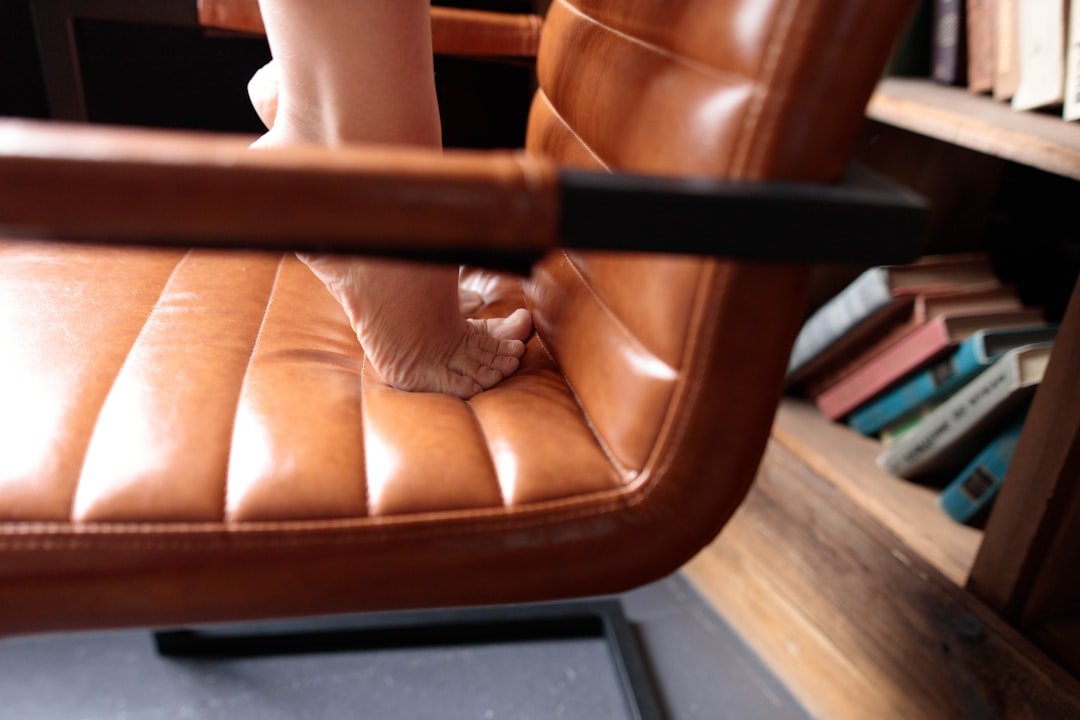
The useful starting point is the kitchen, bedroom, walk route, desk, morning rhythm, or evening reset. A gentle balance routine using a wall, counter, chair, or hallway so movement can fit inside the home you already have. The goal is to name the friction before choosing another supplement, product, app, ingredient, gear, or routine upgrade.
Quick answer
The quick answer: treat a beginner balance practice for ordinary rooms as a problem-first note. Name what is happening, where it happens, and what would make it easier before changing the whole routine or buying another supplement, product, app, ingredient, gear, or routine upgrade.
For Light Movement and Everyday Strength, the best answer is usually a small sequence: observe the current setup, remove one source of friction, test the smallest repeatable change, then decide whether a purchase or outside help is still needed.
- Balance work should feel controlled, not risky.
- Use a support surface and clear the floor first.
- Pain, dizziness, or falls deserve professional guidance.
Step 1: Name the friction before changing anything
Write the friction in one sentence. Avoid broad labels like 'the room is bad', 'the routine is broken', or 'I need better gear'. A useful sentence names the place, the moment, and the repeated problem.
This step matters because treating a product as the fix before sleep, food, hydration, movement, light, stress, and schedule basics are named. Once the friction is named, the next change can stay small enough to test instead of becoming a full redesign.
- Where does this happen: kitchen, bedroom, walk route, desk, morning rhythm, or evening reset?
- When does it show up: daily, weekly, before use, after use, or only under pressure?
- Who else uses or depends on this setup?
- What would count as a better version tomorrow, not someday?
Step 2: Try the smallest useful reset
The smallest useful reset is the one that makes the problem easier to see. It may be moving one item, measuring one space, writing one note, cleaning one surface, testing one schedule, or removing one product from the active area.
Keep the reset narrow. If it needs a perfect weekend, a new system, or a big shopping list, it is probably too large for the first pass. The first pass should teach you what the daily wellness routine actually needs.
- Change one visible cue or one decision point.
- Leave the rest of the setup mostly unchanged for the first test.
- Notice whether the problem gets smaller, clearer, or simply moves elsewhere.
- Repeat only the parts that still make sense after a normal day.
Step 3: Decide whether buying belongs here
A supplement, product, app, ingredient, gear, or routine upgrade earns attention only when it answers the named problem. It should fit the space, timing, budget, maintenance, storage, cleaning, safety, and return path that the real situation requires.
If the small reset already made the situation easier, buying may become smaller or unnecessary. If the reset exposed a specific gap, the product decision becomes clearer because it has a job to do.
- The product or service solves the named friction, not a vague wish.
- Size, fit, setup, cleaning, storage, and maintenance are realistic.
- Return terms, warranties, instructions, policies, or care labels are clear.
- The purchase will still make sense after the initial excitement fades.
Why this small routine matters
Light Movement and Everyday Strength habits often fail when they are designed for a quiet house, a full grocery budget, perfect sleep, or a person with unlimited attention. A routine becomes more useful when it can survive work, caregiving, errands, weather, mood, and the evenings when nobody wants another decision.
The goal is not to turn the day into a wellness checklist. The goal is to remove one point of friction so the next good choice has somewhere to land. That might mean a visible cue, a shorter setup, a default food, a calmer transition, or a fallback that still counts.
When a beginner balance practice for ordinary rooms is small enough to repeat, it can help the reader notice what actually changes: steadier energy, fewer rushed choices, a more usable kitchen, a kinder evening, a clearer next step, or a body that has been asked to do a little less guessing.
Start with the smallest useful version
- Choose one cue that already exists in the day, such as breakfast, leaving the house, opening the fridge, finishing work, or brushing teeth.
- Make the first version short enough that it can be done on a low-energy day.
- Put the supporting object where the habit happens, not where it looks best in a photo.
- Decide what counts as the fallback before the busy day arrives.
- Review once a week and remove anything that made the routine feel heavier than it needed to be.
The low-energy version still counts
On difficult days, shrink a beginner balance practice for ordinary rooms before abandoning it. A two-minute version protects the identity of the habit and makes it easier to return tomorrow without treating one missed day as failure.
This matters because health routines are affected by sleep, stress, pain, weather, work, caregiving, access, appetite, and the simple fact that some weeks are not built for elaborate plans. A routine that only works during a perfect week is not a routine yet.
The lower-energy version should remove setup first, not care. Use what is nearby, reduce the number of choices, and make the action small enough that it feels like support instead of proof that you are behind.
- Keep the cue visible.
- Make the first step obvious.
- Let the fallback be genuinely easier.
- Return to the fuller version only when it helps.
Make it fit the home you actually live in
A good habit should respect the room, people, budget, and schedule around it. If the routine requires a quiet hour, a special purchase, a full pantry, or everyone in the house changing at once, it may be too fragile for real life.
For this light movement and everyday strength topic, the practical version is the one that lowers friction. That could mean using familiar foods, choosing a shorter movement option, setting up one clear surface, keeping a notebook nearby, or choosing a reminder that does not turn into visual clutter.
If other people share the space, make the habit invitational rather than instructional. A visible option usually works better than a lecture. The home should make the next step easier to see, not make everyone feel monitored.
How this connects with the rest of the week
A Beginner Balance Practice for Ordinary Rooms works best when it has neighbors. It may start as one small change, but it becomes easier to maintain when it connects to food, water, light, movement, sleep, stress recovery, or a weekly reset.
A reader who starts here may also want to read Set Up a Home Workout Corner You Will Actually Use, A Beginner Mobility Routine for the Evening, and Two Gentle Strength Days for Beginners. Those nearby routines create a path rather than a pile of disconnected advice.
The useful sign is not that the week looks perfect. The better sign is that fewer choices happen under pressure and the reader has a reasonable place to restart after a messy day.
What to watch for
General wellness routines are not a substitute for care. If a habit brings up pain, dizziness, disordered eating concerns, persistent sleep problems, mood changes that interfere with daily life, symptoms that worry you, or questions about medication or a medical condition, pause and get professional guidance.
The right routine should respect your actual needs. Health is not proven by doing the most; it is supported by choosing the next reasonable step and repeating it with enough flexibility to keep living your life.
Three practical scenarios
Use these scenarios to decide whether a beginner balance practice for ordinary rooms is a small reset, a buying decision, or a sign that a different guide should come first.
Use it now
The friction is clear, the change is small, and the current setup can be improved without a major purchase.
- The need is visible.
- The first reset is easy.
- The risk is low.
Check before buying
The problem is real, but the product or service has not earned the space yet. Compare fit, care, use frequency, policies, and cleanup first.
- Measure or test first.
- Check return terms.
- Avoid buying around uncertainty.
Read sideways
The first problem may actually point to Set Up a Home Workout Corner You Will Actually Use and A Beginner Mobility Routine for the Evening. Follow that route if it better matches the repeated friction.
- The problem moved.
- Another category fits better.
- The current fix feels forced.
Buying check before you commit
Before buying, remove the sales language from the decision. Would this still be the right supplement, product, app, ingredient, gear, or routine upgrade if there were no sale badge, social proof, or urgency around it? If not, keep working the setup first.
The best purchase should make it easier to make the habit easier to repeat. It should reduce friction in daily use, not add a second routine that is harder to maintain than the original problem.
- The problem is named in one sentence.
- The item or service has a clear job.
- The setup, cleaning, storage, and maintenance are realistic.
- The cost still makes sense after accessories, refills, shipping, or return limits.
- There is a clear reason this option beats waiting, borrowing, testing, or simplifying.
Common mistakes
The most common mistake is skipping the room, routine, or workflow and jumping straight to the product. That makes every option look like progress even when the actual friction is still unnamed.
Another mistake is changing too many pieces at once. If the result improves, you will not know what helped. If it fails, you may throw away a useful idea because it was bundled with three unnecessary changes.
- Buying before measuring the real use case.
- Treating a one-time frustration as proof that the whole setup is wrong.
- Ignoring cleaning, storage, refill, return, safety, or policy details.
- Copying a routine that does not match the household, budget, space, or schedule.
- Letting a sale, trend, or review replace the practical checklist.
FAQ
Q: What should I do first? A: Name the exact friction, then test one small change. For this topic, start with the kitchen, bedroom, walk route, desk, morning rhythm, or evening reset instead of a product page.
Q: When should I buy something? A: Buy only when the item or service has a specific job, fits the real setup, and still makes sense after maintenance, return terms, and everyday use are considered.
Q: What if the first reset does not work? A: That still teaches you something. Check whether the problem belongs to another part of the routine, then use a related guide such as Set Up a Home Workout Corner You Will Actually Use and A Beginner Mobility Routine for the Evening if it fits better.
Q: Is this professional advice? A: No. This is general lifestyle education, not medical advice. Talk with a qualified professional about symptoms, diagnoses, medication, supplements, pregnancy, eating concerns, pain, or persistent health changes.